
table of contents
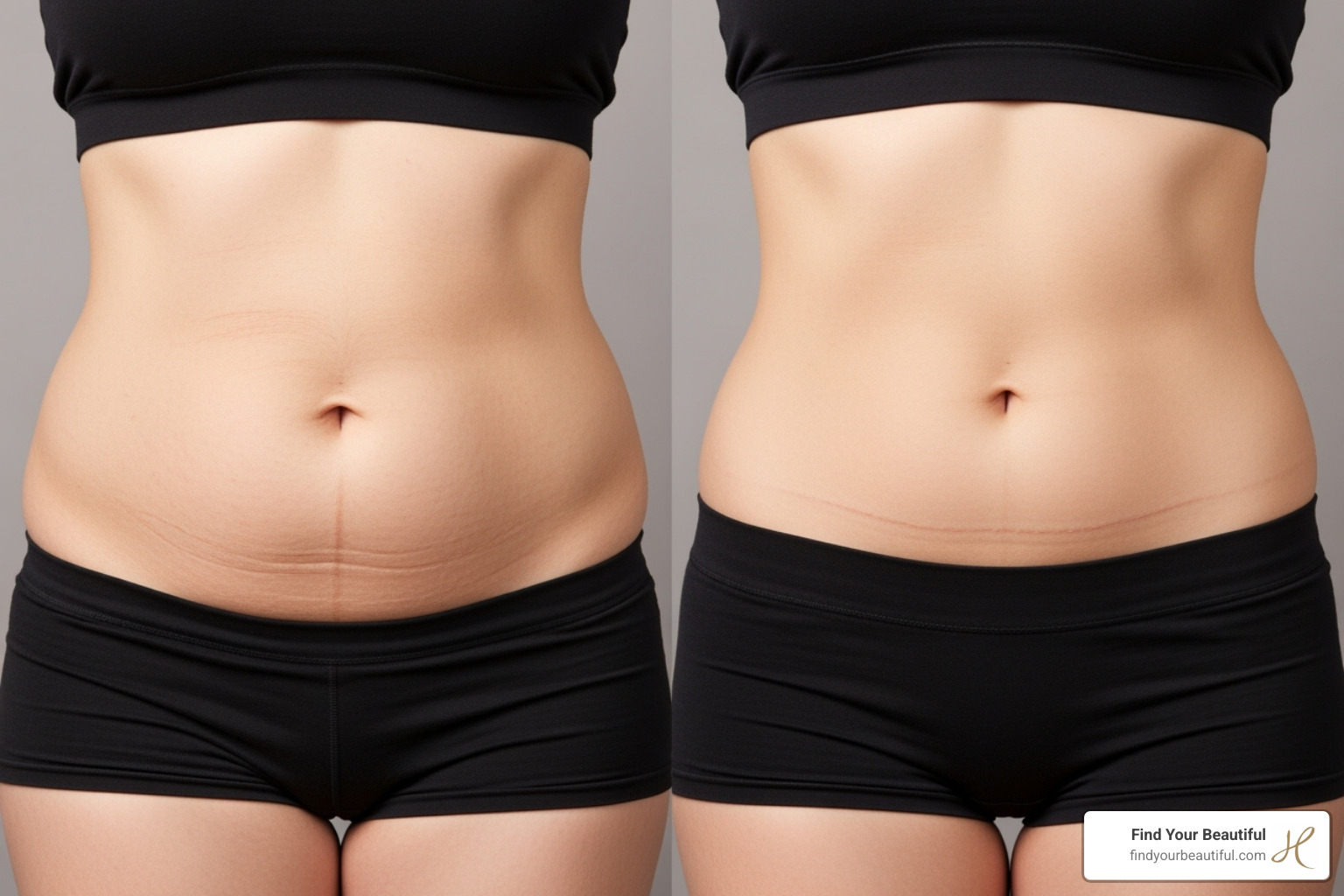
A tummy tuck is a surgical procedure that alters the appearance of the abdomen. Medical professionals refer to this operation as an abdominoplasty, and it removes excess skin and fat from the midsection. Some individuals undergo this procedure after significant weight changes, or they seek it following pregnancy. Here is more information on this procedure, what it involves, and when you should get one:
What Is a Tummy Tuck?
An abdominoplasty is a major cosmetic surgical operation. Surgeons tighten the abdominal wall muscles during the procedure, and they excise redundant skin to create a flatter profile. A tummy tuck directly alters the physical structure of the lower torso, improving the patients apperance.
What Issues Does It Address?
The surgery targets specific physical changes in the abdominal region. Diet and exercise may fail to resolve these structural issues, so surgical intervention becomes a valuable medical option. This operation addresses localized fat deposits that are resistant to conventional weight-loss methods. Surgeons remove these stubborn pockets of fat, and they eliminate hanging skin folds simultaneously.
Some patients experience physical discomfort from excess abdominal tissue. A tummy tuck removes this physical burden, and it alleviates the associated skin irritation. The medical intervention permanently resolves these anatomical irregularities, provided the patient maintains a healthy weight.
What Does the Process Involve?
A surgeon prepares the patient for surgery, and the medical team monitors heart rate and blood pressure throughout the procedure. A horizontal incision is made between the pubic hairline and the navel. The surgeon separates the skin from the abdominal wall, and they suture the underlying fascia to tighten the muscles. They then pull the skin downwards to remove the excess tissue.
The final surgical step involves repositioning the navel and closing the incisions. The medical team applies surgical dressings, and they may place temporary tubes to drain excess fluid. Patients then move to a recovery room for immediate postoperative observation.
What Are the Benefits?
An abdominoplasty provides distinct structural benefits to the human body. The surgery creates a firmer abdominal profile, and it restores weakened core muscles. Patients may gain a physical contour that reflects their baseline anatomical structure.
The removal of excess skin helps eliminate chafing and related dermatological conditions. The restored core strength can alleviate certain types of lower back pain, and it may improve overall posture. These physical modifications support a more active, comfortable lifestyle.
Recovery and results vary from person to person, so discussing realistic outcomes, potential complications, and aftercare with a qualified plastic surgeon is essential. Those researching cosmetic procedures may also explore Zubowics Aesthetics to learn more about available aesthetic services and treatment options. A thorough consultation helps patients decide whether surgery aligns with their health needs and personal goals.
When Should You Get One?
Timing the surgery requires analyzing your current medical status and future physical plans. Patients should reach a stable body weight, and they should maintain this weight for several months prior to the operation. Significant weight fluctuations after the surgery can negatively impact the final physical results.
Women planning future pregnancies should postpone this specific cosmetic operation. Subsequent pregnancies will stretch the repaired abdominal muscles, and they will compromise the surgical outcome. Medical professionals recommend scheduling the procedure only after completing family planning.
Candidates should schedule the surgery when they can accommodate the recovery period. The initial healing phase lasts several weeks, and patients must avoid strenuous physical activity during this timeframe. Proper timing reduces post-operative complications and facilitates tissue healing.
Consult a Plastic Surgeon Today
A tummy tuck is a major medical procedure requiring clinical expertise. A qualified surgeon will review your medical history, and they will determine your anatomical suitability for the operation. This clinical assessment establishes realistic expectations for the final surgical outcome. Contact a plastic surgeon today to schedule an initial clinical evaluation.


