
table of contents
Anesthesiology plays a key role both in surgical care and comprehensive management of acute and chronic pain. As highly trained physicians with specialized expertise in pain pathways, pharmacology, and interventional procedures, anesthesiologists are uniquely positioned to evaluate, diagnose, and treat complex pain conditions. Their approach extends beyond the operating room, incorporating advanced techniques and multidisciplinary strategies to improve patient comfort and functional outcomes.
i. Control Acute Surgical Pain
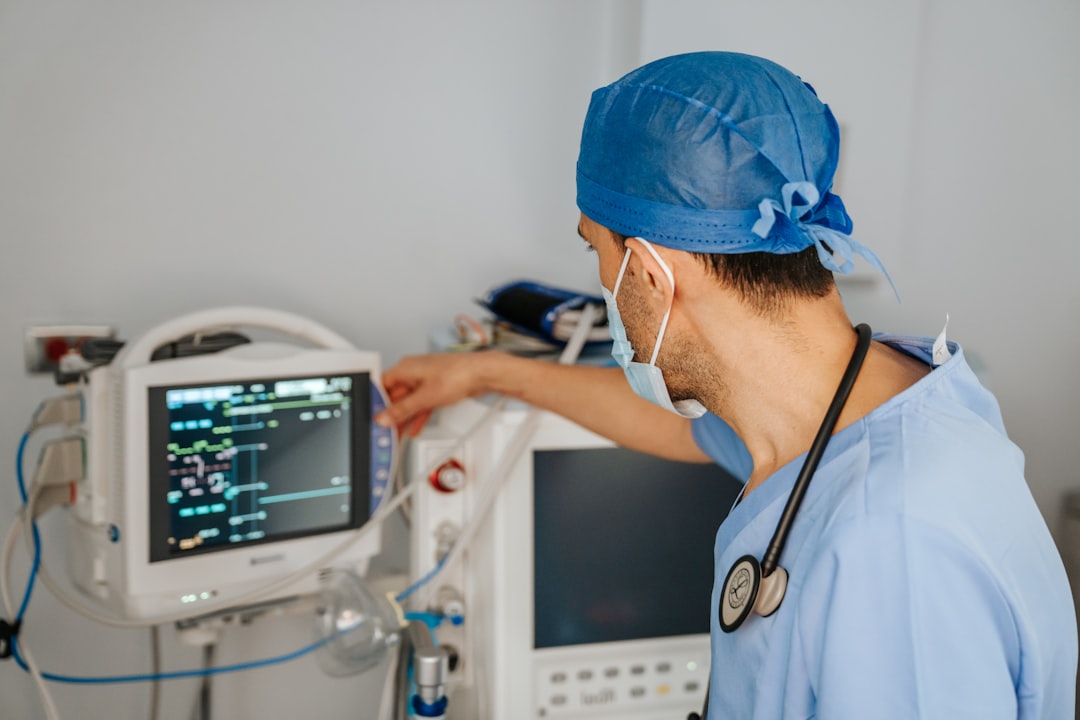
Doctors rely heavily on anesthesiology during and after complex surgeries for patient safety and comfort. Anesthesiologists constantly monitor vital signs and adjust pain medications to keep patients stable throughout the procedure. This hands-on oversight is key in preventing serious complications and supporting the body’s natural healing process.
Effective anesthesia management plays a key role in how quickly and comfortably patients recover from major surgeries. Techniques such as nerve blocks or epidurals are commonly used to numb specific areas of the body. For instance, targeted injections block nerve signals, reducing discomfort during the early stages of recovery in the hospital. Additionally, modern advancements in anesthesia help minimize side effects, such as nausea or grogginess, making the recovery process smoother.
ii. Manage Chronic Pain Interventionally
Patients dealing with chronic discomfort often find significant relief through advanced perioperative medicine techniques. Anesthesiologists use their expertise to perform minimally invasive procedures that directly target the root cause of pain. These specialists focus on damaged nerves and deliver treatments precisely to the source of the problem. A common approach is injection therapy, which reduces inflammation in joints or the spine.
Another effective option is genicular artery embolization, designed to treat chronic knee pain. This minimally invasive procedure reduces abnormal blood flow and decreases joint inflammation without requiring surgery. Unlike a full joint replacement, this technique allows for quicker recovery.
iii. Optimize Multimodal Medications
Finding the right combination of prescription treatments is key in anesthesia. Doctors rarely rely on a single medication to address complex physical conditions. Instead, they use a multimodal approach, combining different drug classes to maximize pain relief while minimizing side effects. Common treatments include anti-inflammatories, nerve stabilizers, and muscle relaxants, all layered strategically to work together.
Your physician will thoroughly review your medical history and frequently adjust your prescriptions based on changes in your condition. This ongoing supervision prevents dangerous drug interactions and helps reduce dependency on strong medications. This method improves pain management while delivering safe and sustainable treatments.
iv. Deliver Collaborative Patient Care
Successful physical recovery requires a collaborative effort from multiple healthcare professionals. Anesthesiologists, physical therapists, surgeons, and primary care doctors work together to create a comprehensive treatment plan. This multidisciplinary approach addresses physical symptoms while also supporting your mental well-being throughout the recovery process. You play a key role in this care model, as your feedback helps shape and refine the treatment plan. Clear communication allows your medical team to understand your symptoms and make adjustments accordingly.
Physical therapy is often a significant part of recovery, helping to improve muscle strength and joint flexibility. Your care team carefully monitors your progress and adjusts exercises to match your healing process, ensuring safe and steady improvement. Combining interventional treatments with tailored physical therapy helps you recover efficiently while reducing the risk of further injury.
Book an Anesthesiology Consultation Today
Living with chronic discomfort completely disrupts your active participation in tasks. But with the right pain management plan and support system, you can recover from chronic pain and resume your favorite activities.
When you consult an anesthesiologist, you have immediate access to advanced treatment options that can safely restore your mobility. This is because you will receive a personalized treatment specific to your needs. Book an anesthesiology consultation with a pain management and rehabilitation center near you today for evaluation and begin your treatment process.


