
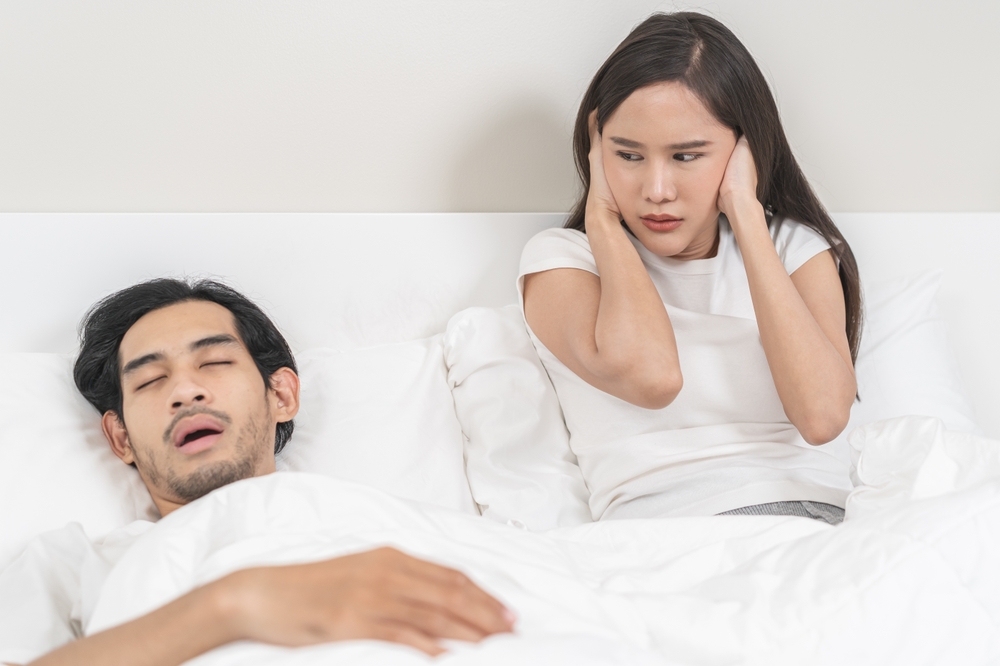
Snoring occurs when airflow through the mouth and nose is physically obstructed during sleep, causing the relaxed tissues in the throat to vibrate and produce a sound. While occasional, light snoring is common, persistent and loud snoring may be an indicator of an underlying issue. A snoring doctor, like an otolaryngologist (ENT), can diagnose and treat the causes of snoring and related sleep disorders. Here’s information on snoring and how it can impact health:
Daytime Fatigue
Habitual snoring can impact daily energy levels over time. The vibrations and airway resistance disrupts the natural sleep cycle, preventing an individual from reaching the deeper, more restorative stages of sleep. This fragmented sleep pattern means the body does not fully recover overnight.
As a result, individuals may wake up feeling unrefreshed, and this feeling can persist throughout the day. Chronic daytime fatigue affects concentration, mood, and overall productivity. Simple daily tasks may feel more strenuous, and cognitive functions like memory and decision-making can be compromised when you are consistently deprived of quality sleep. When symptoms start impacting your everyday life, it may be time to contact a snoring doctor.
Restless Sleep
Consistent snoring may be a sign of a deeper health concern. Snoring is a primary symptom of several conditions, like sleeping or breathing disorders. Disrupted sleep can lead to tossing and turning, frequent awakenings, and an overall sense of restlessness. A common condition is sleep apnea, which is a large contributor to disrupted rest.
What Is Sleep Apnea?
Obstructive sleep apnea (OSA) is a serious sleep disorder characterized by repeated interruptions in breathing during sleep. In individuals with OSA, the muscles in the back of the throat relax to the point of blocking the airway, which forces them to momentarily wake up to resume breathing. These episodes can happen hundreds of times per night, and often the individual has no memory of them. Loud, persistent snoring is a hallmark sign of this condition.
There are additional types of sleep apnea beyond obstructive sleep apnea, including:
- Central Sleep Apnea (CSA): This occurs when the brain fails to send proper signals to the muscles that control breathing. Unlike OSA, there is no physical blockage of the airway, but breathing stops and starts repeatedly due to disrupted brain and body communication.
- Complex Sleep Apnea Syndrome (Treatment-Emergent Central Sleep Apnea): This type arises when someone initially diagnosed with OSA develops central sleep apnea during treatment, often associated with the use of positive airway pressure therapy. It presents a combination of characteristics from both OSA and CSA.
Each type requires specialized approaches for their diagnosis and treatment.
How Does Sleep Apnea Impact Health?
When left unaddressed, sleep apnea places strain on the cardiovascular system due to repeated blood oxygen level dips. This strain can elevate blood pressure and increase the risk of more serious health problems over time. Diagnosing sleep apnea typically involves a combination of medical history evaluation, physical examination, and specialized testing. Physicians often begin by discussing symptoms, but they may also perform a physical exam on the airway to check for structural abnormalities. The most definitive tool for diagnosing sleep apnea is a sleep study, also known as polysomnography.
Sore Throat
For people who commonly snore, they may develop a persistent sore or dry throat upon waking. Snoring often involves breathing through the mouth for extended periods, and this constant airflow can dry out the tissues of the throat and oral cavity. The vibrations of the soft tissues that create the snoring sound may also cause irritation. Individuals may consequently wake up each morning with a raw, scratchy sensation in their throat that may take time to subside.
Contact a Snoring Doctor Today
A persistent snore affects your energy levels and overall health, so it’s beneficial to contact a specialist when experiencing sleep-related issues. To address chronic symptoms that accompany a snore, contact a snoring doctor to schedule an appointment. An evaluation can help determine the cause of your discomfort and provide information on appropriate management options.


