
table of contents
Dental crowns restore stability and appearance when a tooth has sustained significant damage or loss of function. These restorations cover the visible tooth surface and support daily chewing forces while improving the tooth’s appearance. In many treatment plans, crowns provide a durable way to rebuild compromised teeth and maintain oral function. Here is more information about dental crowns and what they can do:
Dental Crowns Overview
Crowns protect weakened enamel and reinforce teeth that have sustained extensive structural loss. When decay removes significant material, a crown can rebuild the tooth’s contour and provide strength that withstands biting. Structural cracks and fractures also create conditions that necessitate restoration, and crowns can stabilize these damaged areas. After root canal therapy, the remaining structure may need full coverage, since the tooth no longer has the same internal support as before treatment. Worn restorations or broken fillings can also lead to crown placement, as a larger, more substantial restoration may be required.
Crowns help restore teeth that have changed shape or lost stability after years of use and stress. When enamel thins due to grinding, coverage can reestablish height and protect the remaining structure. Teeth supporting a bridge may also receive crowns so the prosthetic can attach securely. By reinforcing weakened areas, crowns support long-term function and reduce the risk of further structural breakdown.
Crown Materials and Uses
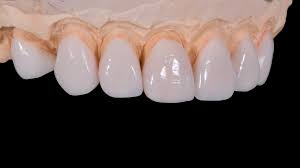
Ceramic crowns replicate natural translucency and color, and their composition supports placement on highly visible teeth. Their hardened structure supports functional tasks, while their aesthetic qualities make them suitable for restorations that have cosmetic factors.
Porcelain-fused-to-metal crowns combine a metal base with a porcelain exterior, providing both strength and appearance benefits. The metal interior supports the tooth during chewing, while the outer porcelain layer produces a natural visual result.
Full-metal crowns rely on alloys that withstand substantial force, and they offer significant longevity when placed on molars. These metals tolerate heavy chewing patterns, and they support long-term stability in areas that experience higher bite pressure. Although they do not match the color of enamel, their performance characteristics make them suitable for molars and other load-bearing teeth. Their structure can also accommodate limited tooth reduction, which benefits cases involving minimal remaining enamel.
Temporary resin crowns maintain shape and function while the final restoration is fabricated. They protect exposed dentin, preserve spacing, and help maintain bite alignment. Although their materials differ from permanent versions, they allow normal oral function during the transition period.
Selection of Crowns
Selecting the appropriate crown involves evaluating functional needs, structural durability, material composition, and the tooth’s location in the mouth. Some areas experience heavier chewing forces, so a stronger material may be needed. In contrast, restorations near the front of the mouth may require ceramic or porcelain materials that match the natural translucency of the teeth.
The remaining tooth structure also determines which crown type is best for a given restoration. When large areas of enamel are missing, high-strength materials may be recommended because they reinforce weakened regions. Bite alignment and chewing habits also influence the final choice, since certain materials respond more favorably to specific force patterns.
Explore Your Dental Crown Options
Dental crowns strengthen compromised teeth and support long-term oral stability. Each material offers specific advantages, and a qualified dentist can match the restoration to the patient’s needs. When fractures or extensive decay occur, crowns provide coverage that rebuilds shape and supports daily function. For more information about dental crowns, consult a dental provider.


