
table of contents
Varicose veins can lead to physical discomfort and may indicate underlying issues within the vascular system. For those seeking to address these visible and potentially painful veins, medical treatments like sclerotherapy provide a minimally invasive option. This procedure is designed to target the affected veins directly, and it allows patients to address both the appearance and the symptoms associated with the condition without undergoing major surgery. Here is more information about varicose veins and how sclerotherapy can treat them:
Varicose Veins Causes
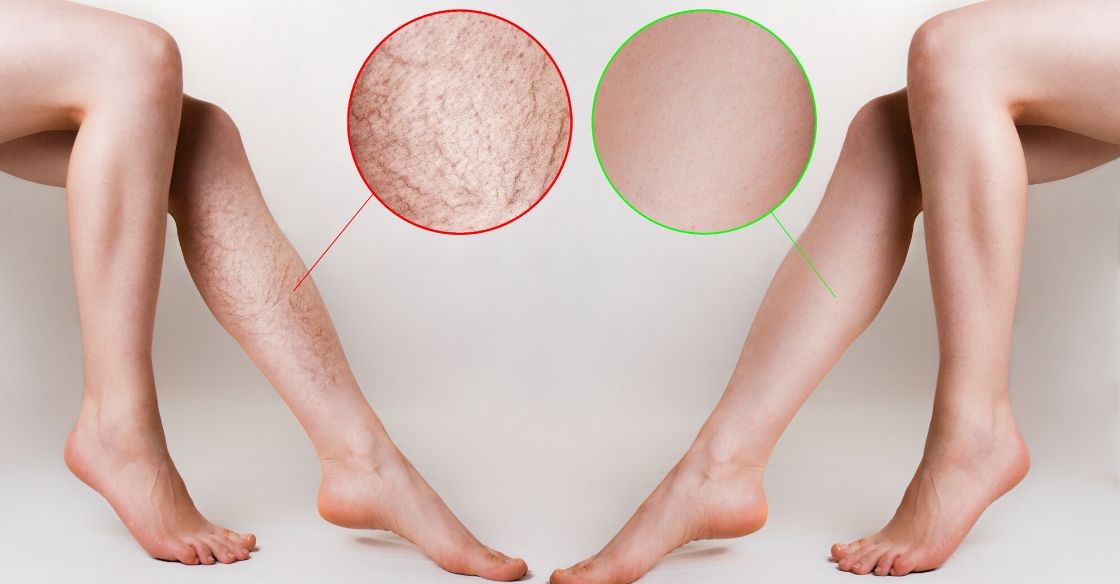
Varicose veins appear as swollen vessels that bulge under the skin. Because some view these vessels as a cosmetic issue, sclerotherapy provides a medical solution for the underlying valve failure. If left untreated, these vessels can cause skin ulcers or bleeding. Sclerotherapy is one treatment that specialists offer to treat varicose veins.
When vein walls weaken, blood pools instead of flowing toward the heart. This pooling leads to visible twisting in the legs. Many factors increase risk, but age and obesity remain primary contributors. Although standing for long periods contributes to the problem, genetics also plays a large role. Healthy valves prevent backflow, but failing valves allow blood to collect in the lower extremities.
Sclerotherapy Treatment
A specialist uses a fine needle to inject a chemical solution into the vessel. This substance irritates the lining of the vein, and the walls eventually stick together. After the vein closes, blood reroutes to healthier vessels in the area. Once the session ends, you will likely be able to walk out of the office afterward. Here are some benefits of sclerotherapy:
- No anesthesia is required for this in-office process.
- Sessions usually take less than one hour to complete.
- The procedure is minimally invasive.
Recovery Process
Walking after the procedure promotes healthy circulation. Patients wear compression stockings for several weeks, and this pressure keeps the treated vein walls sealed. Although treated veins do not return, new varicose veins may develop if risk factors persist. Keep the area out of direct sunlight to prevent discoloration.
Patient Suitability
Many people are candidates for this minimally invasive treatment. It works best for smaller varicose veins, and it also effectively treats spider veins. Leg comfort improves as the pressure in the vessels decreases, and the minimal downtime typically allows a quick return to work. The following medical factors may prevent some people from undergoing the procedure immediately:
- Active deep vein thrombosis or superficial blood clots require medical clearance.
- Pregnant patients must wait at least three months after delivery for treatment.
- Breastfeeding status can affect the timing of the procedure.
- People who are unable to get out of bed should avoid the injection.
Learn More About Sclerotherapy
Addressing vein issues early can prevent more serious health problems from developing. If you are interested in sclerotherapy as a solution for varicose veins, a vascular specialist can explain the process, and they can discuss how it might be a fit for your unique circumstances. To learn more about sclerotherapy and how it treats varicose veins, consult a vascular specialist today.


