
table of contents
- 1. Understanding Joint Replacement Surgery
- 2. Why Physical Therapy Is Essential After Joint Replacement
- 3. The Stages of Physical Therapy After Joint Replacement
- 4. Benefits of Physical Therapy After Joint Replacement
- 5. Common Physical Therapy Exercises After Joint Replacement
- 6. Tips for a Successful Recovery
- 7. When to Contact Your Doctor or Therapist
- 8. The Role of Family and Support Systems
- Conclusion
Joint replacement surgery can be life-changing. Whether it’s a hip, knee, or shoulder replacement, the goal of the surgery is to relieve pain, restore mobility, and improve quality of life. However, surgery alone isn’t enough to achieve a full recovery. Physical therapy after joint replacement plays a crucial role in helping patients regain strength, flexibility, and confidence in their new joint.
Let’s explore why physical therapy is so important after joint replacement, what it involves, and how it helps you return to your daily life stronger than before.
1. Understanding Joint Replacement Surgery
Joint replacement surgery involves removing damaged or worn-out parts of a joint and replacing them with artificial implants. It’s commonly done for conditions like:
- Severe osteoarthritis
- Rheumatoid arthritis
- Joint injuries or fractures
- Degenerative joint disease
The most common types of joint replacements are:
- Knee replacement
- Hip replacement
- Shoulder replacement
While the surgery relieves pain and improves joint function, recovery takes time. This is where physical therapy (PT) becomes essential.
2. Why Physical Therapy Is Essential After Joint Replacement
After surgery, your muscles, ligaments, and tendons around the new joint are weak and stiff. Without proper movement and strengthening, it’s difficult for the body to adapt to the artificial joint. Physical therapy ensures your new joint works properly and safely.
Here are the main reasons physical therapy is vital:
a. Restores Movement and Flexibility
Immediately after surgery, joints can feel stiff and difficult to move. Physical therapists use gentle exercises to help improve your range of motion, making it easier to walk, bend, or stretch without pain.
b. Builds Strength in Muscles
Muscles around the joint often weaken after surgery due to inactivity. Physical therapy helps rebuild strength in those muscles to support the new joint, reduce pressure, and prevent future injuries.
c. Improves Blood Circulation
Gentle movement and exercises promote healthy blood flow, which prevents blood clots and speeds up healing. This also reduces swelling and inflammation.
d. Prevents Scar Tissue Buildup
If the joint stays immobile, scar tissue can develop, limiting movement. Regular therapy exercises keep tissues flexible and prevent stiffness.
e. Reduces Pain and Swelling
Contrary to what some may think, movement helps reduce pain. Physical therapy involves controlled exercises and massage techniques that minimize swelling and discomfort.
f. Promotes Confidence and Independence
Physical therapy teaches you how to walk, climb stairs, and perform daily tasks safely. This helps you feel confident and independent again after surgery.
3. The Stages of Physical Therapy After Joint Replacement
The recovery journey usually follows several stages. Each step is carefully planned to ensure steady progress.
Stage 1: Immediate Post-Surgery (Hospital Stay)
This begins within 24 hours after surgery. A therapist helps you with gentle movements like ankle pumps or leg lifts to improve circulation and prevent stiffness. You’ll also learn how to get in and out of bed safely.
Stage 2: Early Recovery (First Few Weeks)
Once you’re home, therapy focuses on:
- Restoring mobility
- Reducing swelling
- Practicing safe walking with assistive devices (walker, cane)
Therapists guide you through simple exercises such as heel slides, seated leg raises, and gentle stretching.
Stage 3: Intermediate Recovery (Weeks 4–8)
By now, the goal is to increase strength and stability. Exercises may include:
- Step-ups
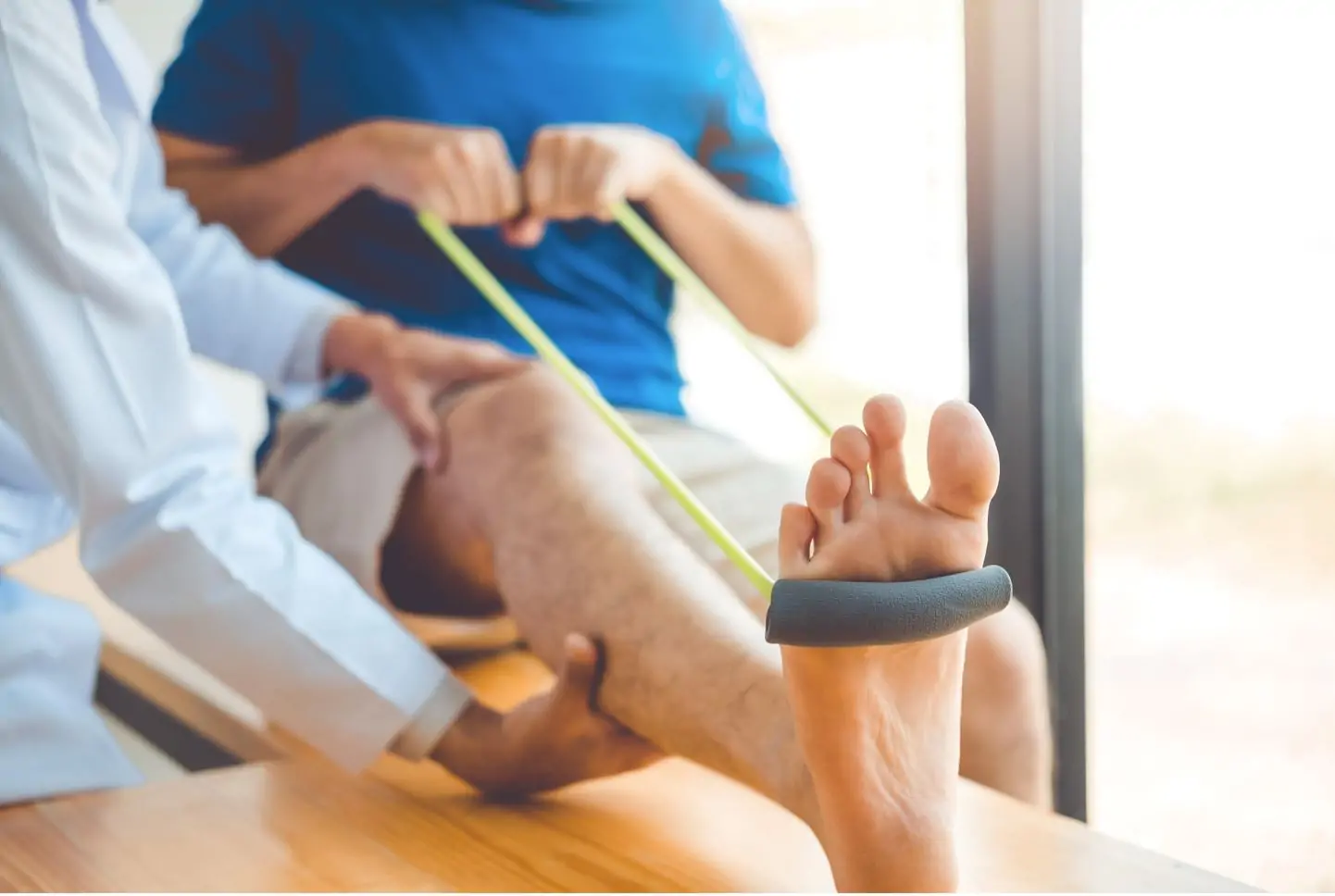
- Resistance band training
- Balance exercises
Therapists also help correct posture and gait patterns to ensure the joint moves naturally.
Stage 4: Advanced Recovery (Months 2–6)
At this stage, patients transition to more active therapy, such as swimming, cycling, or treadmill walking. The focus is on improving endurance and coordination.
Stage 5: Long-Term Maintenance
Even after formal therapy ends, maintaining an active lifestyle with continued exercises helps protect your new joint and prolong its lifespan.
4. Benefits of Physical Therapy After Joint Replacement
Physical therapy offers both short-term and long-term benefits for recovery and quality of life.
Short-Term Benefits:
- Reduced swelling and pain
- Quicker return to walking and daily activities
- Prevention of blood clots and stiffness
Long-Term Benefits:
- Improved joint strength and flexibility
- Better posture and balance
- Lower risk of re-injury or joint dislocation
- Enhanced quality of life and independence
A consistent physical therapy routine ensures your new joint remains healthy and functional for years to come.
5. Common Physical Therapy Exercises After Joint Replacement
Your therapist designs a personalized plan based on your surgery type and recovery level. Common exercises may include:
| Exercise | Purpose |
|---|---|
| Ankle Pumps | Improves blood circulation |
| Heel Slides | Restores knee and hip motion |
| Leg Raises | Builds muscle strength |
| Glute Bridges | Strengthens hips and core |
| Stationary Biking | Enhances endurance and flexibility |
These exercises are performed gradually, ensuring safety and comfort throughout recovery.
6. Tips for a Successful Recovery
Recovering after joint replacement requires patience and commitment. Here are some key tips to make your recovery smoother:
- Follow your therapist’s plan: Consistency is the key to success. Skipping sessions may slow your progress.
- Listen to your body: A little soreness is normal, but sharp pain isn’t—always communicate discomfort to your therapist.
- Use assistive devices correctly: Whether it’s a walker or crutches, using them properly prevents falls and injuries.
- Eat a balanced diet: Nutrients like protein, calcium, and vitamin D help with tissue repair and bone strength.
- Stay positive and motivated: Recovery takes time, but each session brings you closer to full mobility.
7. When to Contact Your Doctor or Therapist
While recovery is usually smooth, you should reach out to your healthcare provider if you notice:
- Severe pain that doesn’t improve with rest
- Excessive swelling or redness
- Fever or discharge near the surgical site
- Difficulty moving or bearing weight
Prompt attention ensures that complications are managed early.
8. The Role of Family and Support Systems
Recovering from joint replacement isn’t just a physical journey—it’s emotional too. Having supportive family members or friends makes a big difference. They can help with:
- Transportation to therapy sessions
- Home safety modifications (handrails, non-slip mats)
- Encouragement and motivation during tough days
A strong support system helps patients stick with their therapy plans and recover faster.
Conclusion
The importance of physical therapy after joint replacement cannot be overstated. It’s not just an add-on to surgery—it’s the foundation of successful recovery. Through guided exercises, education, and encouragement, physical therapy helps you rebuild strength, restore motion, and regain confidence in your new joint.
By staying consistent, patient, and positive, you can enjoy a pain-free, active lifestyle once again. Remember: surgery gives you a new joint—physical therapy teaches you how to use it.
FAQs About Physical Therapy After Joint Replacement
1. How soon after surgery should I start physical therapy?
Usually, therapy begins within 24 hours after surgery, starting with light movements to improve circulation and prevent stiffness.
2. How long will I need physical therapy?
Most patients need 6 to 12 weeks of therapy, depending on the type of joint replaced and overall health. Some may continue light exercises for several months.
3. Can I do physical therapy at home?
Yes! Your therapist can design a home exercise program to complement in-clinic sessions. Consistency is key for the best results.
4. Will physical therapy be painful?
Mild discomfort is normal as your body adjusts, but therapy should never cause sharp or intense pain. Always communicate any pain to your therapist.
5. What happens if I skip physical therapy?
Skipping therapy can lead to stiffness, weakness, poor mobility, or joint complications. It may also prolong recovery time and affect surgical outcomes.


