
table of contents
Medical health clinics conduct routine COVID testing, and this helps to identify active viral infections within local community populations. Trained medical teams follow strict safety guidelines, and they execute testing protocols with extreme care today. Because respiratory viruses spread quickly through the air, testing facilities monitor community health daily for outbreaks. Here is more information on how these facilities promote safety and accuracy:
Using Proper Techniques
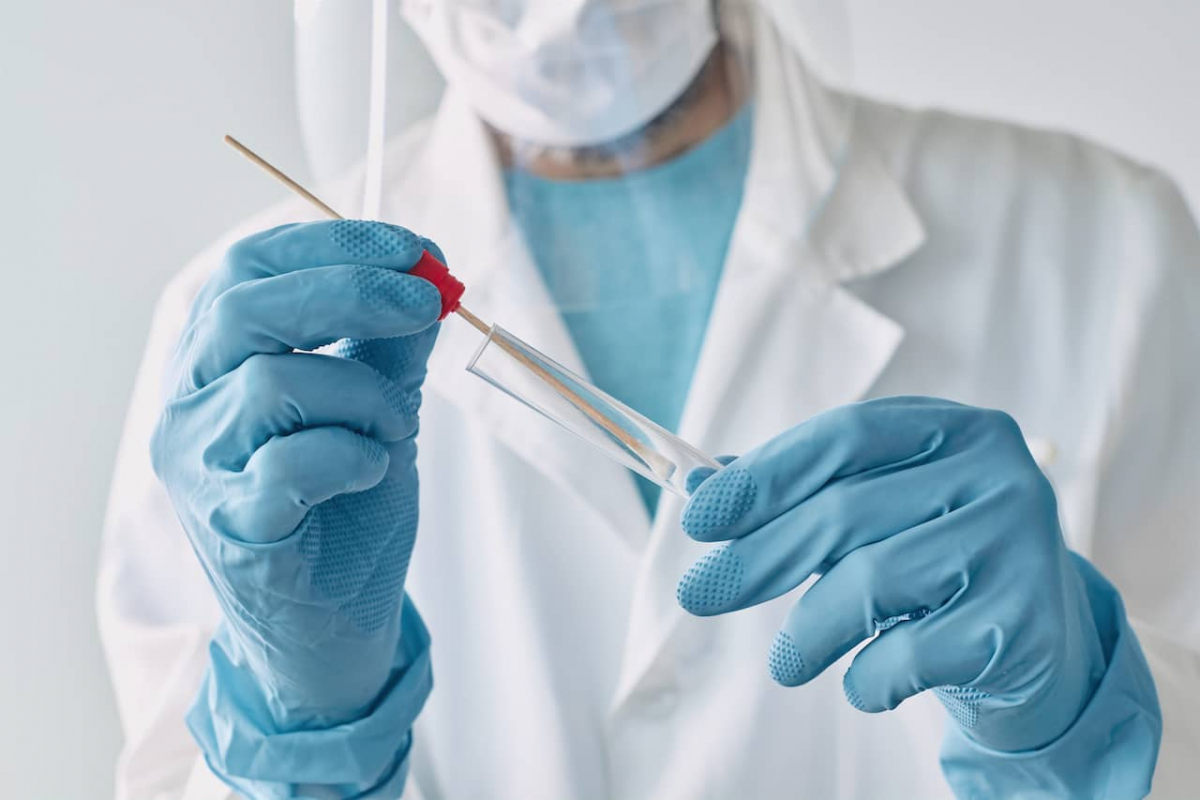
Medical providers collect biological samples gently, and they handle the cotton swabs with absolute precision. Because correct swab depth matters greatly for accuracy, nursing staff receive specialized medical training before working. Lab workers seal the collected nasal samples in sterile plastic tubes to prevent any outside contamination. Proper cold storage keeps the samples viable, so diagnostic labs get reliable testing materials.
Detecting COVID
Testing centers process many biological samples daily, and skilled lab workers analyze them for viral material. When you arrive at a diagnostic clinic, a registered nurse swabs your nasal cavity with care. Modern rapid antigen tests typically provide final results to patients within minutes. Traditional PCR tests require more processing time, but they offer greater diagnostic accuracy for individuals.
While rapid tests detect specific viral proteins quickly, PCR laboratory tests find exact genetic material instead. Trained technicians review the final data, and they report the exact findings to waiting patients promptly. If a medical sample contains the virus, the health clinic contacts the individual by phone.
High accuracy remains a top priority for medical diagnostic laboratories testing people across the entire country. Quality control measures catch testing errors, and clinic staff repeat tests on questionable samples without delay. Because false-negative results sometimes occur naturally, lab workers double-check uncertain data sets before releasing them. COVID testing facilities typically report all positive findings to regional health departments for community tracking purposes.
Minimizing Contact
Diagnostic clinics implement strict spacing rules indoors, and patients wait in isolated, designated areas quietly. While arriving visitors wait for their tests inside, they must wear medical face masks at all times. Bright floor markers show waiting people exactly where to stand during their brief clinic visits. Some health facilities offer drive-through testing options, so arriving patients stay inside their personal cars safely.
When patients schedule testing appointments online from home, they bypass the crowded front desk entirely today. Clear protective barriers separate the administrative staff from all incoming visitors in the waiting room areas. Janitorial workers sanitize high-touch surfaces constantly, and they clean clipboards between patient visits to stop germs. When indoor waiting rooms hold fewer people, airborne viral exposure may drop for everyone involved.
Stopping Spread
Medical testing facilities use multiple proven strategies to block indoor virus transmission between staff and patients. Medical workers wear personal protective equipment, and they change medical gloves during shifts. Before they test the next waiting person, nurses typically wash their hands thoroughly with soap and water. Local health clinics enforce the following specific safety rules for all visitors:
- Stay six feet apart indoors always.
- Wear medical face coverings constantly today.
- Use alcohol liquid hand sanitizer frequently.
Schedule COVID Testing Today
If you experience sudden respiratory symptoms this week, you need a professional diagnostic test right away. Medical testing provides clear answers about your current health status to help you protect your family. You face health risks daily in public, but medical testing helps you make safe decisions confidently. When you need exact results quickly, book a testing appointment at a primary care clinic for professional help.


