
table of contents
Urgent care clinics provide medical treatment for many non-life-threatening injuries and illnesses, and medical professionals evaluate your condition quickly to determine the necessary next steps. You walk into the facility, and the front desk staff registers your details. When you need immediate attention, these centers offer a practical alternative to emergency rooms. Here is more information on what to expect when you visit an urgent care center:
Short Wait Times
Because urgent care clinics treat minor medical issues, patients generally experience brief waiting periods. You sign in at the desk, and staff members process your paperwork right away. This efficient system moves people through the waiting area fast.
Staff members check your vitals soon after you arrive to determine any abnormalities. The medical providers record your temperature, and they note your blood pressure in your chart. While patient volume fluctuates daily, triage processes keep the line moving. You sit for just a few minutes before moving to an exam room.
Physical Examination
When the doctor enters the room, a thorough physical assessment begins. The provider looks at your throat, and a staff member records your current symptoms. A standard visit typically involves these steps:
- Checking your heart rate
- Examining your ears and throat
- Pressing on your abdomen
- Testing your basic reflexes
After the doctor completes the initial checks, they may ask follow-up questions based on your symptoms. A medical provider makes sure that all details are documented accurately. While the process may seem routine, it plays a significant role in identifying potential health concerns.
Diagnostic Tests
The medical team orders specific tests, and technicians collect the necessary samples. Since the clinic has on-site equipment, providers process labs without much delay. Staff members draw blood to check for basic infections.
While you wait in the room, technicians run tests for major illnesses. Rapid strep tests return results in minutes, and urinalysis provides quick answers for your medical team. The doctor reviews these results quickly. You typically stay in the room during this brief process.
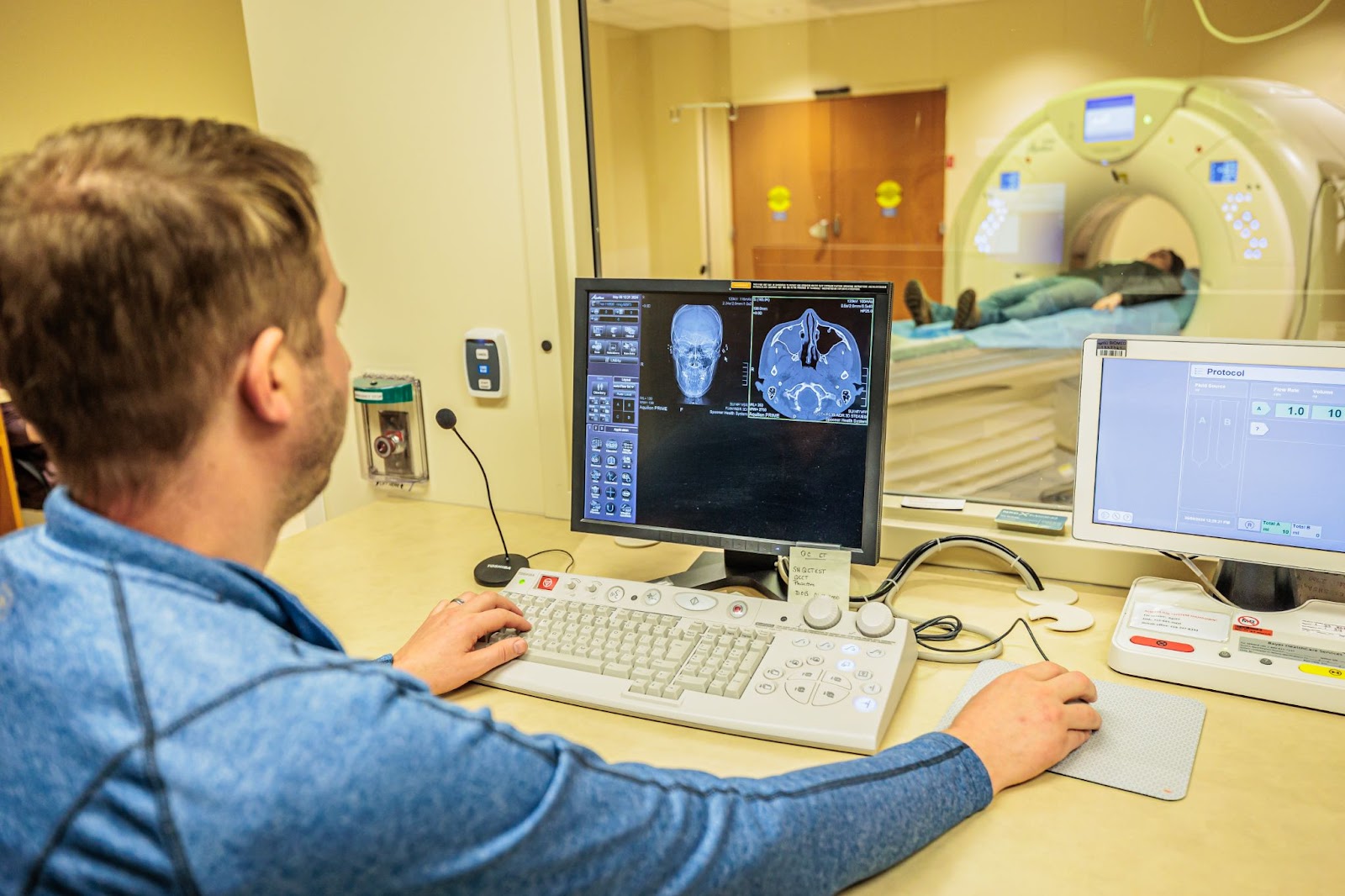
Providers utilize X-ray machines to examine suspected bone fractures. They take images of your injury, and the radiologist reads the scans. After the technician takes the pictures, your doctor explains the findings. Clear imaging helps the medical team decide on the course of treatment.
Prompt Care
The clinician cleans your wound. They apply bandages to cuts, or they dispense basic medications for your illness. Because the staff works efficiently, the entire treatment process typically finishes quickly.
After you receive care, a staff member hands over your discharge papers. You read the printed instructions, and the staff answers any remaining questions. If your condition requires more help, the doctor refers you to a specialist. These services may involve:
- Diagnosis and treatment of minor illnesses, such as colds, flu, or infections
- Care for minor injuries, including sprains, burns, and small cuts
- X-rays and lab testing for quick diagnostics
- Vaccinations and immunizations
- Physical exams for school, sports, or employment purposes
Visit Urgent Care Today
When a minor injury occurs, medical staff at an urgent care center can help you. The team treats your condition, and you return to your normal routine fast. Stop by your local urgent care clinic today for immediate medical attention, where a team of medical staff is ready to assist you.


